
A comprehensive Fire Station Gender Equity Study conducted across 13 legacy Charlotte Fire Department (CFD) stations, using best practices featured in the design of CFD Station 43 as the benchmark, charts a clear roadmap for safer, more inclusive, and higher-performing facilities. Through rigorous facility assessments, conceptual upgrade plans, and phased cost and scheduling strategies, the study equips the City to reinvest wisely in its stations—advancing equity, enhancing firefighter safety, and strengthening long-term operational resilience.
- Client: City of Charlotte
- Location: Charlotte, NC
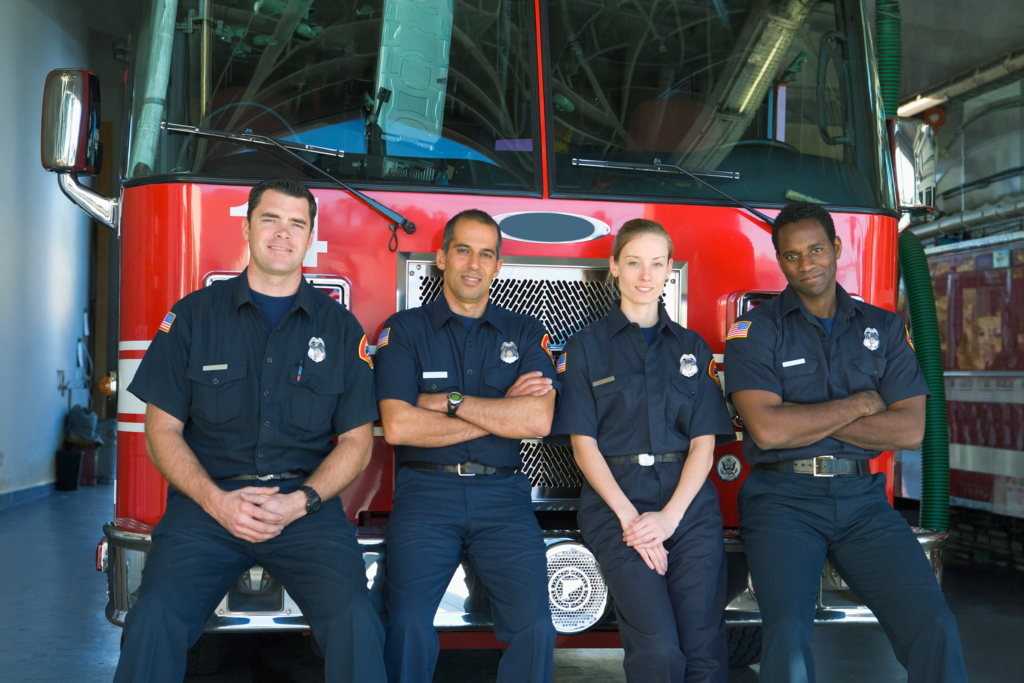
To advance a modern, inclusive fire service, the City of Charlotte engaged Boomerang Design to lead a comprehensive Fire Station Gender Equity Study across 13 legacy CFD stations. Using Station 43—Boomerang’s 2020 best-practice model station—as the benchmark, the study provides a clear, actionable roadmap for transforming older facilities to meet today’s standards for safety, equity, and performance.
Each station (Stations 2, 6, 7, 9, 12, 14, 19, 21, 22, 24, 25, 26, and 29) was rigorously evaluated for physical condition, operational functionality, decontamination procedures, fitness accommodations, gender equity in living and locker areas, and core building systems, including plumbing, mechanical, and electrical. By comparing existing conditions to the benchmark and current operational needs, Boomerang Design identified key deficiencies and opportunities to elevate the everyday experience for firefighters.
Findings were translated into clearly categorized and prioritized programmatic and facility improvements, giving the City a strategic lens for near-term fixes and long-term capital investments. Conceptual plans were developed for each site to illustrate how proposed upgrades—ranging from reconfigured bunk and locker layouts to improved decontamination zones and expanded wellness spaces—can be realized.
To support informed decision-making, Boomerang provided professional cost estimates and high-level planning schedules outlining anticipated timelines for design, procurement, and construction for both short- and long-term improvements, including ADA accessibility upgrades throughout each facility. The result is a concise, data-driven implementation strategy that helps Charlotte reinvest wisely in its fire stations—promoting equity, enhancing safety, and strengthening the CFD’s resilience for years to come.